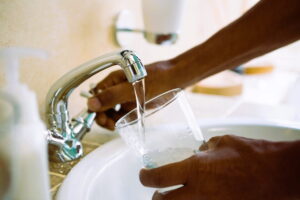
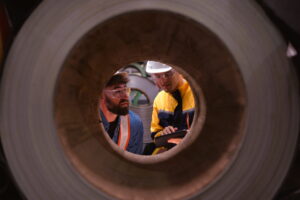
Licensed plumbers play a critical role in protecting public health, maintaining safe water systems, and ensuring homes and businesses function properly every day. According to the World Health Organization, modern plumbing and sanitation systems rank among the most important public health advancements in history because they dramatically reduced the spread of waterborne diseases. Many people only think about plumbing when something breaks, but licensed plumbers handle far more than emergency repairs. Their training, certifications, technical knowledge, and problem-solving skills make them essential to modern infrastructure and daily life.
“Many homeowners don’t realize how much training and technical knowledge goes into becoming a licensed plumber,” says Chris DiMarco. As a Master Plumber, he explains “Licensed plumbers are trained to understand water systems, drainage, safety codes, pressure systems, and long-term plumbing performance, not just basic repairs.”
1. Licensed Plumbers Complete Extensive Training
Becoming a licensed plumber requires years of education, hands-on training, and supervised work experience. Many plumbers complete apprenticeship programs that combine classroom instruction with practical field training before earning licensing credentials. This process helps plumbers develop skills in water systems, drainage, pipe installation, safety standards, and local plumbing codes. Licensing requirements help ensure plumbing work meets safety and performance standards.
- Apprenticeships provide hands-on experience
- Licensing often requires exams and field training
- Continuing education helps plumbers stay current
2. Licensed Plumbers Help Protect Public Health
Safe plumbing systems help prevent the spread of bacteria, contaminated water, and sanitation-related illnesses. Licensed plumbers install and maintain systems designed to safely deliver clean water while removing wastewater from homes and businesses. Proper plumbing also reduces the risk of backflow contamination and unsafe drinking water conditions. Public health improvements throughout history have depended heavily on modern plumbing systems.
- Safe plumbing reduces contamination risks
- Wastewater systems help protect sanitation
- Clean water systems support healthier communities
3. Plumbing Involves More Than Fixing Leaks
Many people associate plumbing only with unclogging drains or repairing leaking pipes, but licensed plumbers handle far more complex responsibilities. They design water systems, install gas lines, repair sewer systems, evaluate water pressure, and troubleshoot large plumbing networks in residential and commercial buildings. Plumbing work often involves advanced diagnostics and technical planning. Complex systems require detailed knowledge and precision.
- Plumbers work on water, drainage, and gas systems
- Commercial plumbing systems can be highly complex
- Diagnostic skills are critical for major repairs
4. Licensed Plumbers Must Follow Building Codes
Building codes exist to protect homeowners, businesses, and public safety, and licensed plumbers are trained to follow those regulations carefully. Plumbing systems that fail to meet code requirements may create safety hazards, leaks, contamination risks, or structural damage over time. Licensed professionals understand local regulations and inspection requirements that many homeowners may overlook during DIY repairs. Code compliance also helps protect property values.
- Building codes help ensure plumbing safety
- Improper installations may create long-term risks
- Licensed plumbers understand local requirements
5. Technology Continues Changing the Plumbing Industry
Modern plumbing systems now include advanced tools and technologies that improve diagnostics and water management. Video pipe inspections, leak detection equipment, smart water monitoring systems, and eco-friendly fixtures have changed how plumbers identify and solve problems. According to the U.S. Environmental Protection Agency WaterSense program, undetected water leaks can waste thousands of gallons of water each year, which is why leak detection and flow monitoring devices are becoming increasingly common in homes. These tools often allow plumbers to locate issues faster while reducing unnecessary property damage during repairs. Technology also supports better water conservation efforts.
- Video inspections help locate hidden pipe problems
- Smart devices monitor water usage and leaks
- Modern tools improve repair accuracy

6. Licensed Plumbers Support Water Conservation
Water conservation has become increasingly important as homeowners look for ways to reduce waste and lower utility costs. Licensed plumbers install low-flow fixtures, efficient water heaters, leak detection systems, and water-saving appliances that help improve overall efficiency. Even small plumbing leaks can waste large amounts of water over time when left unresolved. Efficient plumbing systems help both homeowners and the environment.
- Low-flow fixtures help reduce water usage
- Leak repairs prevent unnecessary water waste
- Efficient systems lower utility expenses
7. Licensed Plumbers Often Handle Emergency Situations
Plumbing emergencies can happen without warning and may quickly cause serious water damage throughout a property. Burst pipes, sewer backups, slab leaks, and overflowing fixtures often require immediate professional attention to limit structural damage and sanitation risks. Licensed plumbers are trained to respond quickly and safely during emergencies while identifying the underlying cause of the problem. Fast repairs help minimize long-term damage.
- Burst pipes can flood homes rapidly
- Sewer backups create sanitation hazards
- Emergency repairs help reduce property damage
8. Professional Plumbing Repairs Can Save Money Long-Term
Quick temporary fixes often fail to solve deeper plumbing issues, leading to repeated repairs and larger expenses later. Licensed plumbers evaluate the entire system to identify hidden causes instead of only treating visible symptoms. Proper repairs help reduce the risk of recurring leaks, water damage, and premature pipe failure. Long-term reliability often depends on repair quality.
- Professional repairs help prevent repeat issues
- Accurate diagnosis reduces unnecessary expenses
- Early repairs often prevent major damage later
9. Licensed Plumbers Work With Specialized Equipment
Modern plumbing work frequently involves advanced tools that many homeowners do not have access to or know how to operate safely. Hydro jetting machines, leak detection systems, pipe cameras, sewer locators, and pressure testing equipment all help plumbers diagnose and repair systems more effectively. Specialized equipment allows for more accurate repairs and less invasive troubleshooting. Proper tools also improve safety during complex jobs.
- Pipe cameras help inspect underground lines
- Hydro jetting clears severe drain blockages
- Advanced tools improve diagnostic accuracy
10. Licensed Plumbers Continue Learning Throughout Their Careers
Plumbing systems, materials, safety codes, and technologies continue evolving over time, requiring plumbers to stay informed throughout their careers. Many licensed plumbers complete continuing education courses to maintain certifications and stay updated on new regulations or equipment. Ongoing training helps professionals improve efficiency, safety practices, and repair methods. The plumbing industry constantly adapts to changing building standards and technologies.
- Continuing education supports updated skills
- New technologies require ongoing training
- Industry standards evolve over time

Key Takeaways About Licensed Plumbers
Licensed plumbers provide far more than simple repair services because they help protect public health, maintain safe water systems, and support modern infrastructure. Their training, certifications, technical expertise, and understanding of safety regulations allow them to diagnose and repair complex plumbing systems effectively. Professional plumbing work helps improve safety, efficiency, sanitation, and long-term system reliability.
- Licensed plumbers complete extensive training and certification
- Professional plumbing supports sanitation and water safety
- Modern technology continues transforming the plumbing industry
Frequently Asked Questions About Licensed Plumbers
1. What makes a plumber licensed?
Licensed plumbers complete required training, field experience, and testing established by state or local licensing boards.
2. Why should homeowners hire licensed plumbers?
Licensed plumbers understand safety codes, system diagnostics, and proper repair methods that help prevent long-term problems.
3. Can licensed plumbers work on gas lines?
Many licensed plumbers receive certification to install and repair gas lines, although qualifications vary by state and license type.
4. How often should plumbing systems be inspected?
Many professionals recommend inspections every two years, while older homes may benefit from more frequent evaluations.
5. Do licensed plumbers install water-saving fixtures?
Yes. Licensed plumbers commonly install efficient toilets, faucets, water heaters, and leak detection systems designed to reduce water waste.

DiMarco Plumbing shares helpful plumbing tips, repair advice, and service insights for homeowners who want clear answers without the guesswork. Our team writes with real field knowledge to help readers understand plumbing problems, costs, and repair options. Each post is made to be simple, useful, and focused on helping you make smart decisions for your home.