Plumbing systems wear down gradually over time, and many problems remain hidden until serious damage appears inside a home. According to the Environmental Protection Agency, household leaks waste nearly one trillion gallons of water nationwide every year, and undetected plumbing issues are often responsible for major water loss and expensive repairs. The EPA also reports that the average household’s leaks can account for nearly 10,000 gallons of water wasted annually, enough to supply the water needs of a typical family for several months. Older homes are especially vulnerable because aging pipes, outdated materials, and shifting foundations place additional stress on plumbing systems. Regular plumbing inspections help homeowners identify hidden issues early, improve system performance, and avoid costly emergencies later.
1. Plumbing Inspections Help Detect Hidden Leaks Early
Small leaks often go unnoticed for months before visible damage appears. Water can slowly spread behind walls, beneath flooring, or inside cabinets while quietly damaging wood, drywall, and insulation. Plumbing inspections help identify these hidden leaks before they lead to mold growth or structural problems. Early leak detection also helps reduce unnecessary water waste and higher utility bills.
- Hidden leaks can damage walls and flooring
- Early detection helps reduce water waste
- Routine inspections help prevent mold growth
2. Plumbing Inspections Identify Aging Pipe Problems
Many older homes still contain outdated plumbing materials that deteriorate with age. Galvanized steel pipes, cast iron drains, and polybutylene piping can develop problems that make closer inspection important as a home gets older. Plumbing inspections allow professionals to evaluate the condition of aging pipes before major leaks or backups occur. The U.S. Department of Housing and Urban Development reports that galvanized steel piping can have a service life of roughly 20 to 50 years, and rust or mineral deposits inside these pipes can reduce water flow and pressure. Homeowners can then use inspection findings to plan repairs or upgrades before emergencies develop.
- Older pipes may corrode internally over time
- Outdated plumbing materials can increase the likelihood of leaks or restricted flow
- Inspections help prioritize needed upgrades
- Galvanized steel pipes can develop rust and mineral buildup that reduces water pressure

3. Plumbing Inspections Help Prevent Expensive Water Damage
Water damage repairs can become extremely expensive when plumbing issues remain unnoticed. Even a small crack in a pipe can eventually damage flooring, drywall, cabinetry, and foundations if left untreated. Plumbing inspections help uncover weak spots before major flooding or long-term moisture damage occurs. Preventive maintenance often costs far less than emergency restoration work.
- Small plumbing issues can become major repairs
- Early repairs help protect flooring and walls
- Routine inspections reduce emergency repair costs
4. Plumbing Inspections Improve Drain and Sewer Performance
Drain and sewer problems often develop slowly as debris, grease, scale buildup, or tree roots begin restricting flow inside pipes. Homeowners may first notice slow drains, foul odors, or recurring backups without realizing a larger issue is forming underground. Plumbing inspections, including video camera inspections when needed, help professional plumbers locate blockages and assess pipe conditions more accurately. Catching these issues early helps avoid sewer line failures later.
- Video inspections help identify underground problems
- Tree roots can damage aging sewer lines
- Drain inspections help prevent recurring backups
5. Plumbing Inspections Help Protect Water Quality
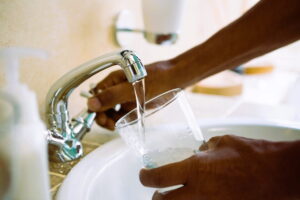
Corroded pipes and outdated plumbing materials can affect the quality of water flowing through a home. Discolored water, metallic tastes, or unusual odors may indicate changes within the plumbing system, although some contaminants cannot be detected this way. Plumbing inspections help identify pipe deterioration, hidden leaks, aging fixtures, and other conditions that may affect water quality. The U.S. Environmental Protection Agency explains that lead can enter drinking water when lead-containing plumbing materials corrode, with lead pipes, faucets, and fixtures among the most common sources. EPA also emphasizes that dissolved lead cannot be seen, tasted, or smelled, so water testing is the only sure way to determine whether harmful quantities of lead are present. Protecting clean water becomes especially important in older homes where aging plumbing materials may still be present.
- Corroded pipes may affect drinking water quality
- Discolored water can signal plumbing deterioration
- Inspections help identify plumbing materials and conditions that may create contamination risks
- Lead can enter drinking water when certain pipes, faucets, or fixtures corrode
- Water testing is necessary to confirm whether harmful amounts of lead are present
6. Plumbing Inspections Help Maintain Proper Water Pressure
Inconsistent water pressure often points to hidden plumbing problems inside the system. Mineral buildup, pipe corrosion, hidden leaks, or partially blocked lines can all restrict water flow throughout the home. During a plumbing inspection, licensed plumbers test pressure levels and inspect fixtures to locate the source of the issue. Stable water pressure helps appliances, faucets, and plumbing fixtures operate more efficiently.
- Low pressure may indicate hidden pipe damage
- Mineral buildup can restrict water flow
- Pressure testing helps identify system weaknesses
7. Plumbing Inspections Help Homeowners Plan Ahead
Many plumbing failures happen unexpectedly because homeowners never realized their systems were deteriorating. Plumbing inspections provide a clearer understanding of the system’s condition and help homeowners prepare for future repairs or upgrades before emergencies occur. This allows homeowners to budget more effectively and avoid sudden repair costs. ENERGY STAR recommends replacing an aging water heater before it fails, noting that waiting for a failure can leave homeowners without hot water and may lead to added costs for emergency, weekend, or overnight replacement. Regular inspections can help homeowners recognize aging components and make planned replacement decisions instead of waiting for an emergency.
- Inspections help homeowners plan future repairs
- Preventive maintenance reduces surprise expenses
- Routine evaluations improve long-term plumbing reliability
- Identifying aging equipment early gives homeowners more time to budget for replacement

Key Takeaways About Plumbing Inspections
Regular plumbing inspections from a reputable plumbing company help homeowners detect hidden leaks, aging pipes, sewer issues, and water pressure problems before they become expensive emergencies. Older homes especially benefit from routine evaluations because outdated plumbing materials often deteriorate over time. Professional inspections help improve system efficiency, protect water quality, and reduce the likelihood of major plumbing failures.
- Routine inspections help prevent costly plumbing damage
- Older homes often require more detailed evaluations
- Early detection helps reduce long-term repair costs
Frequently Asked Questions About Plumbing Inspections
1. How long does a plumbing inspection usually take?
Most plumbing inspections take between one and three hours depending on the size of the home and the condition of the plumbing system.
2. How often should plumbing inspections be scheduled?
Many professionals recommend plumbing inspections every two to three years, although older homes may benefit from annual evaluations.
3. What are common warning signs that a plumbing inspection is needed?
Slow drains, water stains, unusual odors, discolored water, and inconsistent water pressure often indicate plumbing issues.
4. Are plumbing inspections expensive?
Plumbing inspections are generally affordable compared to the cost of repairing severe water damage or replacing failed plumbing systems.
5. Can plumbing inspections help prevent emergencies?
Yes. Routine inspections help identify leaks, corrosion, blockages, and other problems early before they become emergency plumbing failures.

DiMarco Plumbing shares helpful plumbing tips, repair advice, and service insights for homeowners who want clear answers without the guesswork. Our team writes with real field knowledge to help readers understand plumbing problems, costs, and repair options. Each post is made to be simple, useful, and focused on helping you make smart decisions for your home.