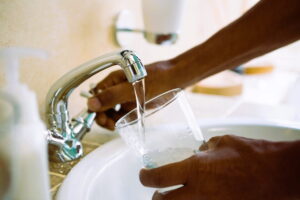
1. Maintain Your Home's Plumbing System with Regular Inspections
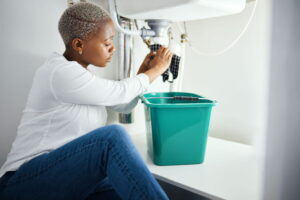
Experience has shown that regular inspections help catch potential plumbing issues before they turn into full-blown disasters. For example, a homeowner once noticed a small leak under the sink during a routine check and had it fixed before it escalated into a significant water bill and mold problem. Having the foresight to inspect your plumbing every few months, or at least once a year, allows you to stay ahead of problems. Routine inspections should include:- Checking under sinks for leaks or moisture
- Inspecting the water heater for corrosion or strange noises
- Examining faucets and showerheads for signs of wear or dripping
2. Proper Use of Drains and Pipes to Prevent Issues
One of the most common causes of plumbing problems is the improper use of drains and pipes. Many homeowners unknowingly flush or dispose of materials down their drains that should not be there. This can lead to blockages and backups, which are often more difficult and expensive to fix than one might expect. Simple habits, like avoiding grease disposal in sinks or using drain covers, can prevent major issues. To keep drains flowing smoothly:- Avoid pouring cooking oils or fats down the sink
- Use a drain guard to catch hair and debris in the bathroom
- Only flush toilet paper and human waste, nothing else
3. Monitor Your Water Pressure
Many homeowners overlook the importance of water pressure, but maintaining it within the correct range is crucial. High water pressure might seem convenient, especially when it feels like a shower has more force, but excessive pressure can place added stress on pipes, fixtures, and appliances. Low pressure may also indicate a leak, blockage, or another plumbing problem. The U.S. Environmental Protection Agency's WaterSense program recommends incoming household water pressure between 45 and 60 psi for efficient water use and proper plumbing system function. EPA guidance also notes that excessive water pressure can contribute to premature equipment failure, increased water consumption, and a greater risk of leaks. Installing a water pressure gauge is a simple way to keep an eye on the system. To monitor water pressure effectively:- Keep household water pressure within the recommended 45 to 60 psi range when practical
- Check water pressure periodically using a simple pressure gauge
- If pressure is consistently too high, have a plumber evaluate whether a pressure regulator is appropriate
- Watch for unexplained pressure changes that could indicate leaks, restrictions, or supply problems
- Controlling excessive pressure can reduce stress on plumbing fixtures, appliances, and piping

4. Preventing Clogs in Kitchen and Bathroom
Clogs are one of the most frustrating plumbing issues and can occur in both kitchens and bathrooms. In the kitchen, food scraps, oils, and fats often find their way into drains, while in the bathroom, hair and soap scum are the usual culprits. Preventing clogs is simpler than constantly battling them, and there are practical steps you can take to ensure drains stay clear. Some easy clog prevention techniques include:- Scraping food from plates into the trash before washing them
- Running hot water down the drain after using it to wash dishes
- Cleaning out your bathroom drain guard regularly to remove hair buildup
5. Identify Early Signs of Leaks
Plumbing leaks are not always immediately visible. A slow drip or a minor pipe crack might go unnoticed for a while, but it can lead to serious water damage if left unchecked. Identifying leaks early on is key to preventing more extensive damage. Regular checks and being mindful of unusual sounds, such as water running when taps are off, can be a clue that something’s wrong. The U.S. Environmental Protection Agency reports that fixing easily corrected household water leaks can save homeowners about 10% on their water bills, providing another good reason to investigate unusual water use promptly. To spot potential leaks:- Listen for running water when all fixtures are off
- Check your water meter for unusual activity when not using water
- Look for unexplained puddles or damp spots in your home
- Compare water bills over time because an unexplained increase in water use can be a sign of a hidden leak
6. Maintain Your Water Heater for Optimal Performance
A functioning water heater is vital for any household, yet it's often neglected until it fails. Regular maintenance can ensure that it works efficiently and lasts for years. Flushing your water heater once a year to remove sediment buildup is a simple yet effective way to maintain it. If left unchecked, sediment can cause corrosion and affect the heater’s performance. Key maintenance tasks for your water heater:- Flush the water heater annually to remove sediment
- Check the pressure relief valve to ensure it's functioning properly
- Monitor water temperature, keeping it at 120°F to avoid scalding and reduce energy consumption
7. Knowing When It's Time to Call Professional Plumbers
While there are many things homeowners can do to maintain their plumbing system, sometimes a professional’s help is necessary. Whether it's a stubborn clog that won't go away or a significant drop in water pressure, calling a licensed plumber is often the safest and most efficient way to fix the problem. Professionals have the tools and expertise to handle complex issues. Call a plumbing company when:- You notice sewage backups or persistent clogs
- Water pressure drops suddenly with no apparent cause
- There are signs of extensive water damage or leaks
Common Plumbing Problems
Homes in certain areas face unique plumbing challenges, and older homes are often more susceptible to problems like corrosion, poor water pressure, or outdated plumbing systems. Professional plumbers report that some of the most frequent calls come from these common issues, which can affect your home if not addressed in time. Paying attention to common signs can prevent these problems from worsening. Common plumbing issues include:- Corroded pipes in older homes
- Low water pressure due to mineral buildup
- Roots invading underground pipes

Key Takeaways for Maintaining Your Plumbing System
Taking care of your plumbing system is about being proactive. Regular inspections, careful water pressure management, and avoiding improper drain usage all contribute to a healthy system. Homeowners who follow these guidelines can avoid common problems like clogs, leaks, and water damage. Regular maintenance isn't difficult, but it does require awareness and action.Frequently Asked Questions
How often should I have my plumbing inspected? It's recommended to inspect your plumbing at least once a year. Regular checks help catch small issues before they turn into big problems. What causes low water pressure? Low water pressure can be caused by leaks, clogged pipes, or mineral buildup. A licensed plumber can help determine the cause. Is it safe to pour grease down the drain? No, grease should never go down the drain as it can solidify and cause clogs in your pipes. How do I prevent clogs in my shower drain? Using a drain guard to catch hair and regularly cleaning it out will help prevent clogs in your shower. What is the ideal water pressure for a home? The ideal water pressure is between 40 to 60 psi. Keeping it within this range prevents damage to your pipes and fixtures.
DiMarco Plumbing shares helpful plumbing tips, repair advice, and service insights for homeowners who want clear answers without the guesswork. Our team writes with real field knowledge to help readers understand plumbing problems, costs, and repair options. Each post is made to be simple, useful, and focused on helping you make smart decisions for your home.