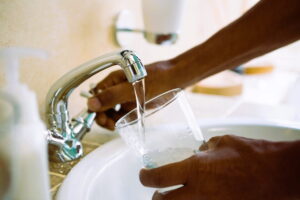
Experiencing low water pressure can be incredibly frustrating, whether it’s a trickle from your shower or a slow flow from your kitchen tap. This issue not only affects daily activities but can also indicate underlying problems within the plumbing system. According to the U.S. Geological Survey, homes in areas with hard water are more prone to mineral buildup in pipes, which is a leading cause of pressure loss over time. Understanding what causes low water pressure and how a plumber can help is essential for maintaining an efficient household or business.
Common Causes of Low Water Pressure
1. Sediment Buildup
Sediment buildup in pipes is one of the most common culprits behind low water pressure. Over time, minerals from hard water can accumulate inside pipes and gradually restrict water flow. The U.S. Geological Survey explains that hard water contains high levels of dissolved calcium and magnesium, and long-term scale buildup can reduce the inside diameter of water pipes enough to decrease water movement and lower water pressure. Imagine turning on a faucet one morning only to find the water barely dribbling out; mineral scale inside the plumbing could be contributing to the problem.
- Hard water contains calcium and magnesium that can form mineral scale
- Scale buildup can gradually reduce the usable diameter inside pipes
- Regular plumbing maintenance can help identify significant mineral accumulation
- Restricted pipe openings can contribute to noticeable drops in water pressure
- Mineral deposits can also accumulate in fixtures and water heaters, not just household piping
2. Pipe Corrosion
Older plumbing systems, especially those with galvanized steel pipes, are prone to corrosion. Corrosion narrows the pipe’s interior, reducing water flow and leading to low water pressure. In one case, a homeowner experienced severe pressure drops due to corroded pipes that needed replacement.
- Galvanized steel pipes are susceptible to rust.
- Corrosion inside pipes restricts water flow.
- Replacing old pipes can resolve this issue.
3. Leaking Pipes
Leaking pipes are another significant cause of low water pressure. When water escapes through leaks, less water reaches the fixtures, resulting in decreased pressure. Leaks can be challenging to detect, but signs like damp spots on walls or ceilings and an unexpected increase in water bills are telltale indicators. The U.S. Environmental Protection Agency reports that the average family can waste about 9,400 gallons of water annually from household leaks, making early leak detection important for conserving water and limiting unnecessary expenses.
- Leaks divert water away from intended fixtures.
- Increased water bills can indicate hidden leaks.
- Professional plumbers use advanced tools to detect and repair leaks.
- Household leaks can waste thousands of gallons of water each year if they remain unrepaired.
4. Faulty Fixtures
Sometimes, the problem lies not within the pipes but in the fixtures themselves. Faucets and showerheads can wear out over time, becoming clogged with mineral deposits and debris. Replacing or repairing these fixtures can often restore normal water pressure.
- Mineral deposits can clog faucets and showerheads.
- Regular cleaning and maintenance can prevent this.
- Replacing old fixtures can improve water flow.
5. Pressure Regulator Issues
Pressure regulators are devices installed to maintain consistent water pressure within the plumbing system. When these regulators malfunction, they can cause a significant drop in water pressure. A licensed plumber can diagnose and adjust or replace faulty pressure regulators to restore proper water pressure.
- Pressure regulators control the water flow into your home.
- Malfunctioning regulators can reduce water pressure.
- Plumbers can adjust or replace faulty regulators.

Professional Diagnosis
Identifying the root cause of low water pressure requires professional expertise. Plumbers have the experience and tools necessary to accurately diagnose the problem. For instance, they can use pressure gauges and pipe inspection cameras to pinpoint issues that might not be visible to the naked eye. According to the U.S. Environmental Protection Agency, the average household's water leaks can waste nearly 10,000 gallons of water each year, making early diagnosis of hidden plumbing issues an important part of protecting water resources and reducing utility costs.
- Plumbers use advanced diagnostic tools.
- Accurate diagnosis ensures effective solutions.
- Professional inspections can reveal hidden problems.
Pipe Cleaning and Replacement
When sediment buildup or corrosion is the issue, plumbers can clean pipes using specialized equipment when the pipe condition allows it. Severe corrosion or structural deterioration, however, may make replacing old or damaged pipes necessary to restore reliable water flow and pressure. The U.S. Geological Survey explains that hard-water scale can gradually narrow the inside diameter of pipes, resulting in less water movement and lower water pressure. The U.S. Environmental Protection Agency also notes that galvanized steel pipes can corrode over time, making the condition and material of existing plumbing important when deciding between cleaning and replacement. A plumber can recommend the best course of action based on the condition of the plumbing system.
- Hydro-jetting can remove certain types of buildup and debris from suitable drain and sewer lines.
- Pipe replacement might be necessary for severely corroded or damaged pipes.
- Professional cleaning can help restore flow when buildup is restricting a pipe.
- Hard-water scale can gradually narrow pipe openings and contribute to lower water pressure.
- Aging galvanized steel pipes can develop internal corrosion that may require closer evaluation or replacement.
Leak Detection and Repair
Detecting and repairing leaks is crucial for resolving low water pressure problems. Plumbers use advanced leak detection methods, such as acoustic sensors and infrared cameras, to find leaks that are not visible. Once detected, they can efficiently repair the leaks to restore normal water pressure.
- Acoustic sensors and infrared cameras detect hidden leaks.
- Prompt repairs prevent further damage.
- Professional leak detection ensures accurate repairs.
Fixture Repair and Replacement
Faulty fixtures can significantly impact water flow and everyday plumbing performance. Plumbers can repair or replace worn-out faucets, showerheads, aerators, and other fixtures when buildup, wear, or internal damage interferes with normal operation. Upgrading to modern, efficient fixtures can also reduce water use while maintaining reliable performance. The U.S. Environmental Protection Agency reports that WaterSense-labeled bathroom sink faucets can reduce water flow by 30% or more compared with standard 2.2-gallon-per-minute faucets without sacrificing performance.
- Replacing clogged or worn-out fixtures improves flow.
- Modern fixtures can provide efficient, dependable performance.
- Regular maintenance keeps fixtures in good condition.
- WaterSense-labeled bathroom faucets can reduce water flow by 30% or more while still meeting EPA performance standards.
Pressure Regulator Adjustment
If the pressure regulator is the issue, a plumber can adjust it to the correct settings or replace it if necessary. Properly functioning pressure regulators are essential for maintaining consistent water pressure throughout your home or business.
- Properly adjusted regulators ensure consistent pressure.
- Plumbers can replace faulty regulators.
- Regular checks keep regulators functioning well.

Local Expertise
Hiring local plumbers comes with the advantage of their familiarity with common plumbing issues in the area. They understand the unique challenges posed by the local water supply and infrastructure, providing tailored solutions to address low water pressure effectively.
- Local plumbers know common regional issues.
- Familiarity with local infrastructure aids diagnosis.
- Tailored solutions address specific problems.
Quick Response Time
Local plumbers may be able to respond more quickly to nearby service calls, reducing the time homeowners have to deal with low water pressure, leaks, or other plumbing problems. Prompt service allows plumbing issues to be evaluated before they have more time to cause water waste or property damage. The U.S. Environmental Protection Agency explains that leak detection and flow monitoring devices can alert homeowners to unusual water use or leaks, helping limit water waste and potential water damage. Quick access to professional assistance can be especially valuable when those warning signs point to an active plumbing problem.
- Faster response times reduce inconvenience.
- Prompt service can help limit additional water damage.
- Local availability can make timely assistance easier.
- Early leak detection followed by prompt repairs can reduce unnecessary water waste and potential property damage.
Customer Satisfaction
Local plumbers rely on positive customer experiences to build their reputation in the community. They are committed to providing high-quality service and ensuring customer satisfaction. Testimonials from satisfied customers can often be found on their websites or social media pages.
- Customer satisfaction builds local reputation.
- High-quality service ensures repeat business.
- Positive testimonials indicate reliable service.

Key Takeaways for Low Water Pressure Solutions
- Understanding Causes: Low water pressure can be caused by sediment buildup, pipe corrosion, leaks, faulty fixtures, and pressure regulator issues.
- Professional Help: Plumbers offer professional diagnosis, pipe cleaning, leak repair, fixture maintenance, and pressure regulator adjustments.
- Local Benefits: Hiring local plumbers in New Orleans provides expertise in regional plumbing issues, quick response times, and high customer satisfaction.
Frequently Asked Questions About Low Pressure
- What should I do if I experience low water pressure?
- Contact a professional plumber for a thorough inspection and diagnosis to determine the cause of the issue.
- Can I fix low water pressure myself?
- Some minor issues can be addressed with DIY methods, but for persistent problems, it’s best to hire a professional plumber.
- How often should I have my plumbing system inspected?
- It is recommended to have your plumbing system inspected annually to catch and address any potential issues early.
- Are there any preventative measures to avoid low water pressure?
- Regular maintenance, avoiding the buildup of debris in drains, and replacing old fixtures can help maintain good water pressure.
- What are the signs of pipe corrosion?
- Signs of pipe corrosion include discolored water, metallic taste, and frequent leaks. If you notice these signs, contact a plumber immediately.

DiMarco Plumbing shares helpful plumbing tips, repair advice, and service insights for homeowners who want clear answers without the guesswork. Our team writes with real field knowledge to help readers understand plumbing problems, costs, and repair options. Each post is made to be simple, useful, and focused on helping you make smart decisions for your home.